Salmon with Blood Orange Glaze
Highlighted under: World Kitchen Creations
I absolutely love preparing this Salmon with Blood Orange Glaze! The combination of rich salmon and the sweet, tangy blood orange creates a vibrant dish that's both satisfying and elegant. Whenever I serve this, I am always met with compliments, and it’s surprisingly easy to make. Whether it's a weeknight dinner or a special occasion, this recipe has become a staple in my kitchen. With just a few ingredients and a short cooking time, you can elevate your meal to a gourmet level without much fuss.
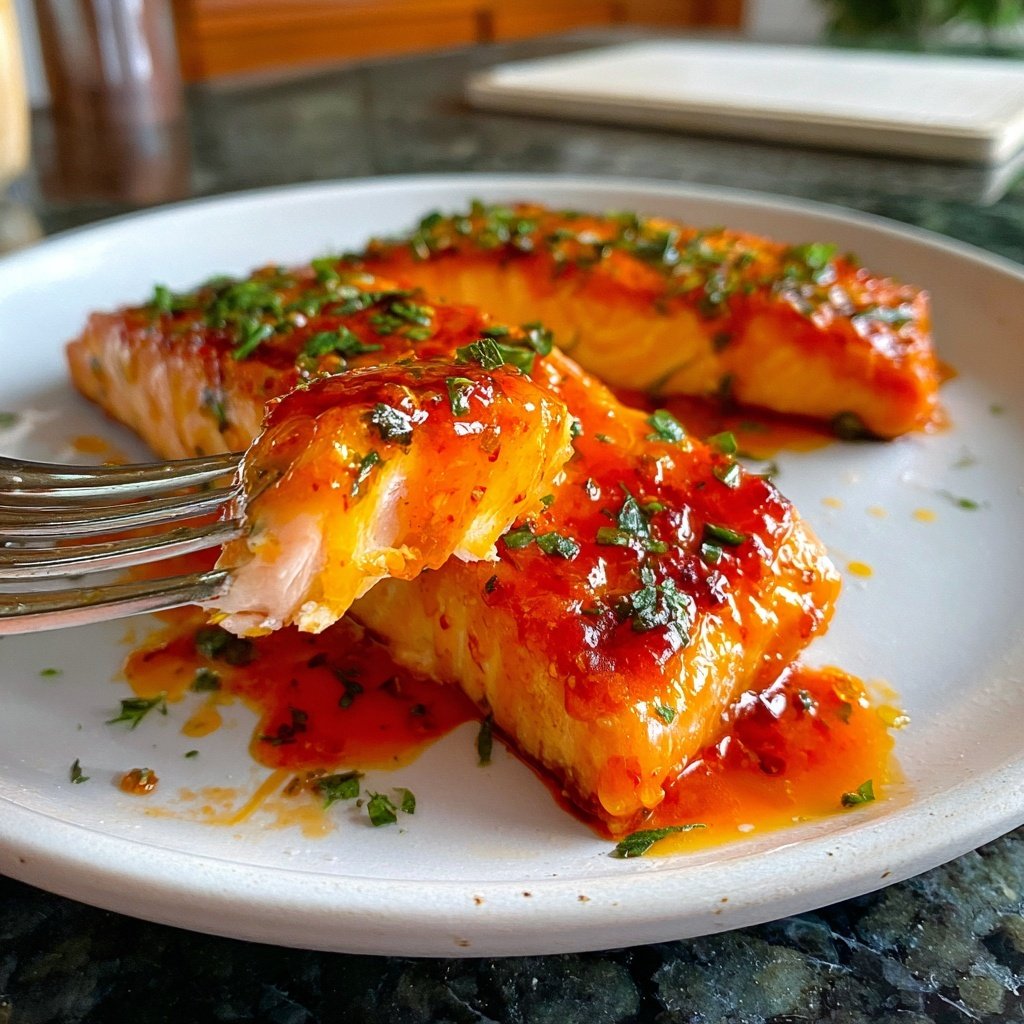
When I first stumbled upon this salmon dish, I knew I had to try it out. The blood orange glaze adds a stunning depth to the flavor, and I discovered that the acidity perfectly balances the richness of the fish. I find that marinating the salmon briefly in the glaze enhances the flavors even further. After experimenting with different citrus juices, I can confidently say blood orange is my favorite for this dish.
As I crafted my version of this recipe, I learned that searing the salmon skin-side down first gives you that perfect crispy finish. Not only does it add texture, but it helps lock in the moisture for a tender bite. This technique has truly transformed the way I enjoy salmon, and I can't wait for you to experience it, too!
Why You'll Love This Recipe
- The vibrant tang of blood orange elevates a classic dish
- Quick cooking time makes it perfect for busy weeknights
- The crispy skin adds a delightful texture to every bite
Understanding Blood Oranges
Blood oranges are known for their unique color and flavor profile, which ranges from sweet to slightly tart. Their vibrant hue not only makes for stunning presentations but also adds a rich depth to dishes like this glaze. It's essential to select blood oranges that are firm and heavy for their size, indicating juiciness. When juicing, be sure to roll the oranges on a counter to break down their internal membranes—this will yield more juice than just cutting them in half.
When making the glaze, the zest of the blood oranges plays a crucial role in enhancing the overall flavor. The essential oils in the zest provide aromatic intensity that complements the sweetness of the honey and the sharpness of the soy sauce. If you don’t have blood oranges, you can substitute them with regular oranges; however, you might want to add a small amount of pomegranate juice to mimic the tartness and color of blood oranges.
Perfecting Your Salmon
For achieving that perfect sear, the skin-on salmon fillets should be at room temperature before cooking. This helps ensure even cooking and a crispy skin. After marinating, pat the salmon dry with paper towels; excess moisture will prevent that coveted crispiness. When cooking, preheat your skillet until it’s just starting to smoke before adding the oil. A hot pan ensures that the skin crisps up beautifully within 4-5 minutes without sticking.
If you prefer your salmon cooked to a specific doneness, a digital meat thermometer can be a great tool. Aim for an internal temperature of 145°F for perfectly cooked salmon. If you're looking for a more tender texture, you might consider cooking to 130°F and allowing it to rest for a few minutes; carryover cooking will bring it to the perfect doneness.
Ingredients
For the Glaze
- Juice and zest of 2 blood oranges
- 2 tablespoons honey
- 1 tablespoon soy sauce
- 1 teaspoon Dijon mustard
For the Salmon
- 4 salmon fillets, skin-on
- Salt and pepper to taste
- 2 tablespoons olive oil
- Fresh herbs for garnish (optional)
Preparation Instructions
Cooking Steps
Prepare the Glaze
In a small bowl, mix the blood orange juice and zest, honey, soy sauce, and Dijon mustard until well combined.
Marinate the Salmon
Season the salmon fillets with salt and pepper. Pour half of the blood orange glaze over the fillets, ensuring they are well coated. Let them marinate for 15 minutes.
Cook the Salmon
In a skillet, heat olive oil over medium-high heat. Place the salmon skin-side down and sear for about 4-5 minutes. Flip and cook for an additional 3-4 minutes, brushing with the remaining glaze.
Serve
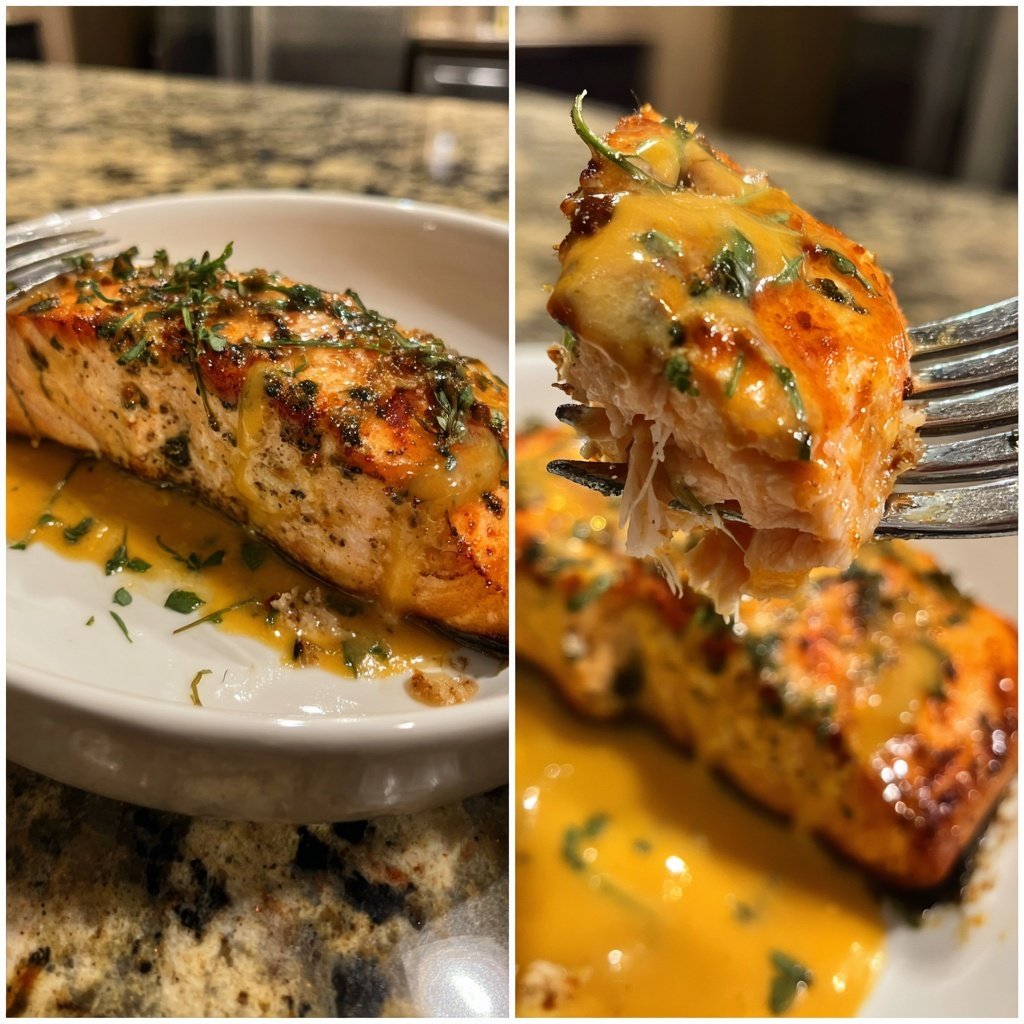
Once cooked through, remove the salmon from the skillet. Drizzle a little more glaze on top and garnish with fresh herbs, if desired.
Enjoy Your Meal!
Pro Tips
- For extra flavor, you can add a sprinkle of coriander or fresh thyme when serving. Be sure not to overcook the salmon for the best texture.
Storing and Reheating
Leftover salmon can be stored in an airtight container in the refrigerator for up to 3 days. To maintain its flavor, reheat it gently in a skillet over low heat, adding a splash of water or additional glaze to keep it moist. This method prevents drying out, which can happen if reheated in the microwave. And when reheating, keep an eye on the salmon to ensure you don’t exceed the desired temperature again.
If you want to store the glaze separately, it can last in the fridge for a week, making it a convenient option for quick meals. You can also freeze leftover glaze in ice cube trays for future use. This way, you have a ready-made sauce that you can quickly add to sautéed vegetables or other fish dishes, making meal prep a breeze.
Serving Suggestions
This salmon with blood orange glaze pairs wonderfully with a variety of side dishes. Consider serving it alongside a quinoa salad mixed with herbs and seasonal vegetables for a fresh and colorful meal. Alternatively, roasted asparagus or sautéed spinach can complement the flavors beautifully while adding a nutritional punch.
For an added gourmet touch, serve the salmon over a bed of creamy polenta or rice pilaf. These bases will soak up the glaze, enhancing the overall flavor experience. Feel free to add a sprinkle of feta or goat cheese on top of your vegetables or grains for an extra layer of flavor and creaminess, creating a delightful contrast with the salmon’s texture.
Questions About Recipes
→ Can I substitute regular oranges for blood oranges?
Yes, while blood oranges have a unique flavor, regular oranges can work in a pinch.
→ What's the best way to know if salmon is cooked?
Salmon is cooked when it flakes easily with a fork and has an internal temperature of 145°F (63°C).
→ Can I prepare the glaze in advance?
Absolutely! You can make the glaze a day ahead and store it in the refrigerator.
→ What side dishes pair well with this salmon?
Roasted vegetables, wild rice, or a fresh salad are great accompaniments to this dish.
Salmon with Blood Orange Glaze
Created by: Sienna Brooks
Recipe Type: World Kitchen Creations
Skill Level: Intermediate
Final Quantity: 4 servings
What You'll Need
For the Glaze
- Juice and zest of 2 blood oranges
- 2 tablespoons honey
- 1 tablespoon soy sauce
- 1 teaspoon Dijon mustard
For the Salmon
- 4 salmon fillets, skin-on
- Salt and pepper to taste
- 2 tablespoons olive oil
- Fresh herbs for garnish (optional)
How-To Steps
In a small bowl, mix the blood orange juice and zest, honey, soy sauce, and Dijon mustard until well combined.
Season the salmon fillets with salt and pepper. Pour half of the blood orange glaze over the fillets, ensuring they are well coated. Let them marinate for 15 minutes.
In a skillet, heat olive oil over medium-high heat. Place the salmon skin-side down and sear for about 4-5 minutes. Flip and cook for an additional 3-4 minutes, brushing with the remaining glaze.
Once cooked through, remove the salmon from the skillet. Drizzle a little more glaze on top and garnish with fresh herbs, if desired.
Extra Tips
- For extra flavor, you can add a sprinkle of coriander or fresh thyme when serving. Be sure not to overcook the salmon for the best texture.
Nutritional Breakdown (Per Serving)
- Calories: 350 kcal
- Total Fat: 18g
- Saturated Fat: 4g
- Cholesterol: 90mg
- Sodium: 400mg
- Total Carbohydrates: 18g
- Dietary Fiber: 1g
- Sugars: 10g
- Protein: 25g