Spring Minestrone Soup
Highlighted under: Seasonal Family Favorites
I love making Spring Minestrone Soup during the warmer months when fresh vegetables are at their peak. The vibrant colors and variety of textures elevate this dish beyond just a regular soup. As the vegetables simmer, they create a flavorful broth that is light yet satisfying. Each spoonful feels nourishing, and it’s a wonderful way to showcase seasonal produce. Trust me, you’ll find that this soup is not only easy to make, but it will also become a staple in your kitchen.
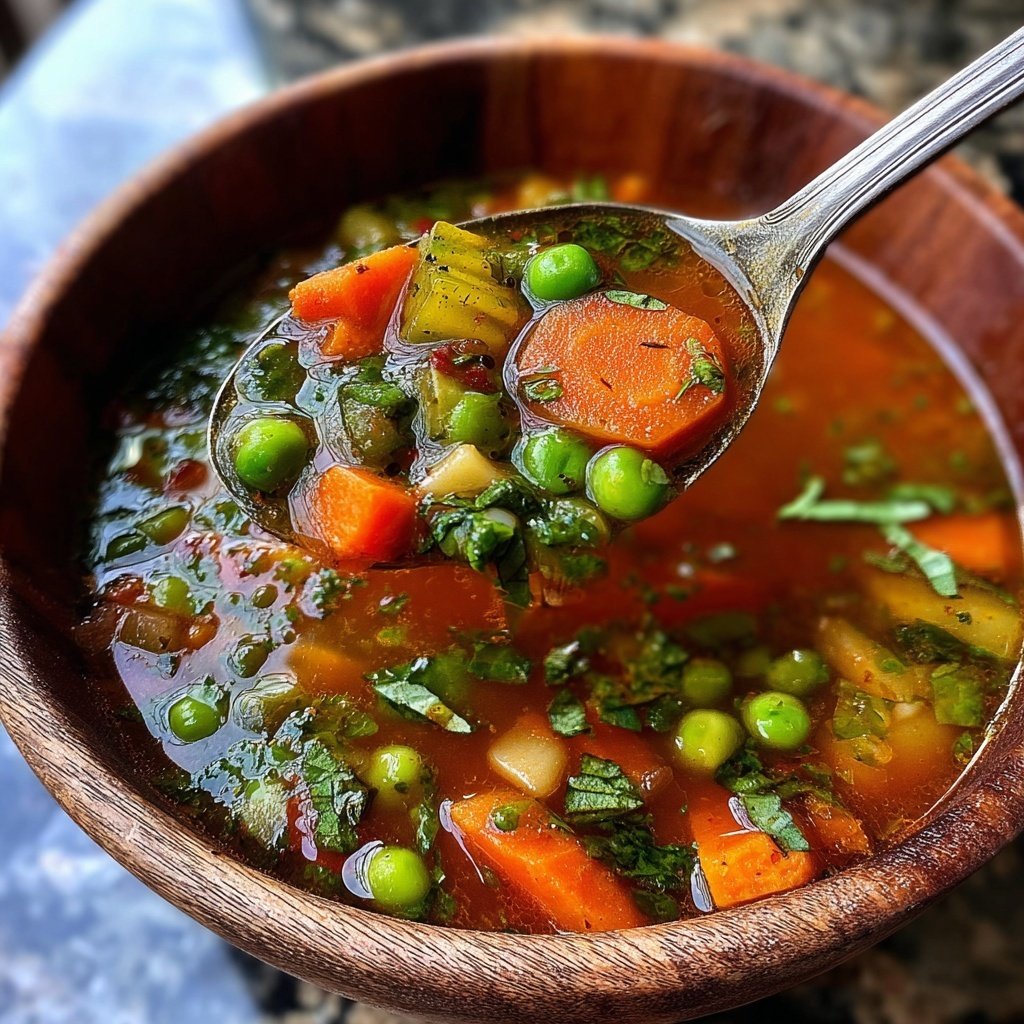
When I first made Spring Minestrone Soup, I was amazed at how quickly it came together. Fresh produce, like peas and asparagus, creates an explosion of flavor and brightness in each bowl. The key is to add the delicate vegetables closer to the end of cooking, ensuring they remain vibrant and crisp.
One of my favorite tweaks to this basic recipe is a squeeze of lemon juice right before serving. It brightens the dish and makes all the flavors pop. It’s simple but makes a world of difference!
Why You Will Love This Recipe
- Packed with seasonal vegetables that burst with flavor
- Light and refreshing yet hearty enough for a meal
- Perfect for meal prep or a quick weeknight dinner
Choosing the Right Vegetables
The beauty of Spring Minestrone Soup lies in its adaptability to seasonal produce. Asparagus, zucchini, and peas are not just vibrant choices; they each contribute unique flavors and textures. When selecting asparagus, look for firm stalks with closed tips to ensure freshness. Zucchini should be glossy and free from blemishes, while peas burst with sweetness, adding a delightful contrast to the savory broth. Feel free to experiment by adding other spring vegetables like green beans or baby spinach for variation.
Each vegetable plays a crucial role in the soup's overall flavor profile. For instance, the carrots and celery form a solid base of sweetness that balances the acidity from tomatoes. Garlic and onion add depth and aroma, making the soup more inviting. Keep in mind that the timing for adding vegetables can affect their texture; for a bit of crunch, consider adding asparagus a few minutes later than the other veggies.
Perfecting Your Broth
The broth is the heart of your minestrone soup, so choosing a quality base is essential. Homemade vegetable broth is ideal, but if time is short, a low-sodium store-bought option works well. When you bring the broth to a boil after adding tomatoes and spices, you'll notice the rich aromas starting to meld; this is a good sign that flavors are developing. Adjust the seasoning gradually to enhance the taste, aiming for a balance that complements the natural sweetness of the vegetables.
If your broth seems too thin after simmering, let it reduce for an additional 5-10 minutes on medium heat. Conversely, if you prefer a soupier consistency, add an extra cup of broth towards the end of cooking. It's important to taste and adjust throughout the process. A squeeze of fresh lemon juice just before serving brightens the flavors and adds a refreshing touch, tying together all the ingredients.
Ingredients
Gather these fresh ingredients for the best flavor!
Ingredients
- 2 tablespoons olive oil
- 1 onion, diced
- 2 cloves garlic, minced
- 2 carrots, diced
- 2 celery stalks, diced
- 1 zucchini, diced
- 1 cup asparagus, cut into 1-inch pieces
- 1 cup peas (fresh or frozen)
- 1 can (15 oz) diced tomatoes
- 4 cups vegetable broth
- 1 teaspoon dried oregano
- Salt and pepper to taste
- Fresh parsley for garnish
- Juice of 1 lemon
Always use the freshest ingredients for the best results!
Instructions
Follow these simple steps to make your soup!
Sauté the Vegetables
In a large pot, heat the olive oil over medium heat. Add the onion and garlic, sautéing until golden and fragrant, about 3 minutes. Stir in the carrots and celery, cooking for an additional 5 minutes.
Add Broth and Spices
Pour in the vegetable broth and add the diced tomatoes, oregano, salt, and pepper. Bring the mixture to a boil.
Incorporate Vegetables
Once boiling, add the zucchini, asparagus, and peas. Reduce the heat and let the soup simmer for 15–20 minutes until the vegetables are tender.
Finish and Serve
Remove from heat, stir in the lemon juice, and adjust seasoning if necessary. Serve hot, garnishing each bowl with fresh parsley.
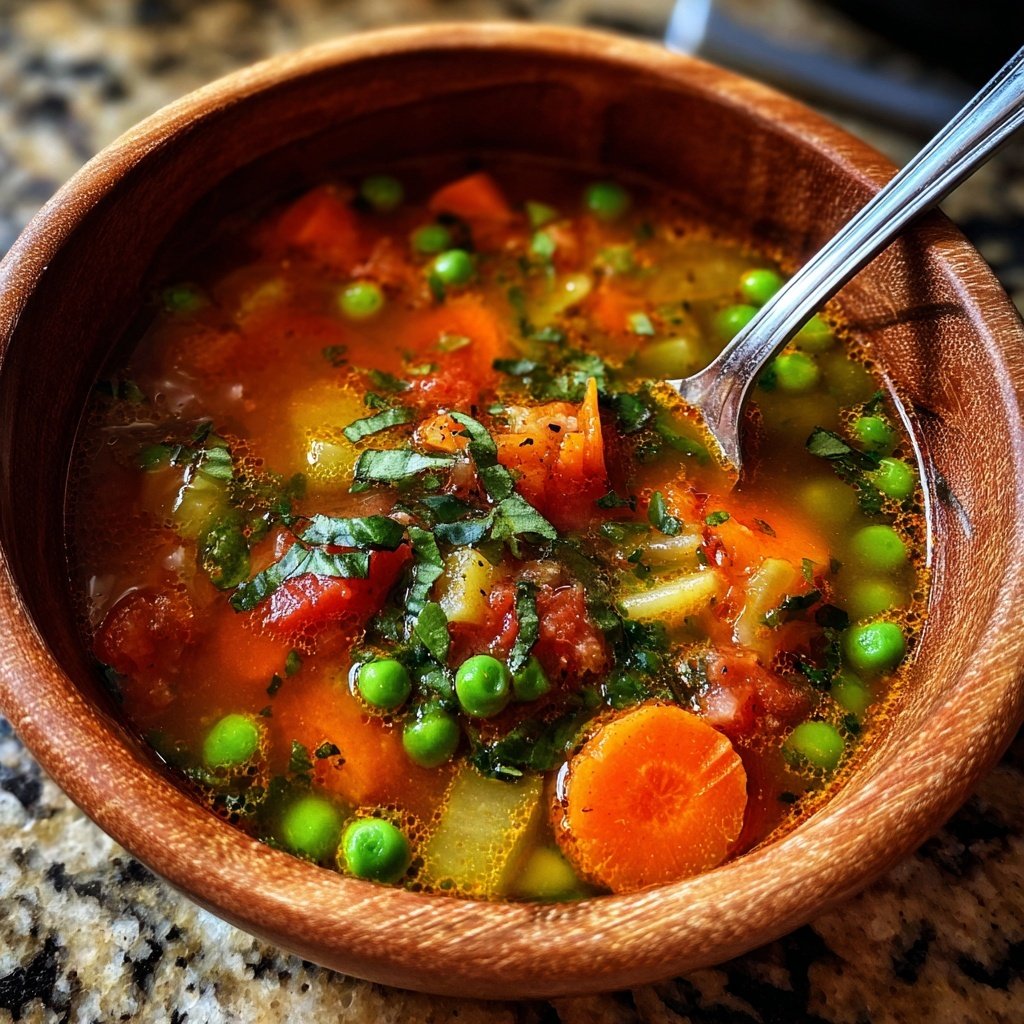
Enjoy your nourishing bowl of Spring Minestrone Soup!
Pro Tips
- For added protein, toss in some cooked beans or quinoa to make it even heartier!
Make-Ahead and Storage Tips
This Spring Minestrone Soup is perfect for meal prep. You can make a large batch and store it in airtight containers in the fridge for up to 4 days. To reheat, simply warm it in a saucepan over medium heat until heated through, stirring occasionally. The soup may thicken when stored, so add a splash of vegetable broth or water as needed to reach your desired consistency when reheating.
For longer storage, consider freezing individual portions. Let the soup cool completely before transferring it to freezer-safe containers or resealable bags, ensuring to remove excess air. It will keep well in the freezer for up to 3 months. When you're ready to enjoy it, thaw overnight in the fridge and reheat as mentioned above.
Variations to Explore
While this recipe highlights classic spring vegetables, don’t hesitate to switch things up! Adding leafy greens like kale or spinach can enhance both nutrition and flavor. For added protein, consider incorporating cooked beans like cannellini or chickpeas. Just add them in during the last few minutes of cooking to warm through without compromising their texture.
You can also give your minestrone a twist with spices. A pinch of red pepper flakes during the sautéing stage can add a subtle heat, while herbs such as basil or thyme can be used for a different flavor profile. Feel free to experiment with different grains; small pasta shapes or quinoa could also serve as excellent additions, making the soup even heartier.
Questions About Recipes
→ Can I use frozen vegetables?
Yes, frozen vegetables work just as well and save prep time.
→ What can I substitute for the vegetable broth?
You can use chicken broth or water if you prefer.
→ How long can I store this soup?
It can be stored in an airtight container in the fridge for up to 3 days.
→ Can I freeze this soup?
Yes, this soup freezes well! Just make sure to cool it completely before freezing.
Spring Minestrone Soup
Created by: Sienna Brooks
Recipe Type: Seasonal Family Favorites
Skill Level: Easy
Final Quantity: 4 servings
What You'll Need
Ingredients
- 2 tablespoons olive oil
- 1 onion, diced
- 2 cloves garlic, minced
- 2 carrots, diced
- 2 celery stalks, diced
- 1 zucchini, diced
- 1 cup asparagus, cut into 1-inch pieces
- 1 cup peas (fresh or frozen)
- 1 can (15 oz) diced tomatoes
- 4 cups vegetable broth
- 1 teaspoon dried oregano
- Salt and pepper to taste
- Fresh parsley for garnish
- Juice of 1 lemon
How-To Steps
In a large pot, heat the olive oil over medium heat. Add the onion and garlic, sautéing until golden and fragrant, about 3 minutes. Stir in the carrots and celery, cooking for an additional 5 minutes.
Pour in the vegetable broth and add the diced tomatoes, oregano, salt, and pepper. Bring the mixture to a boil.
Once boiling, add the zucchini, asparagus, and peas. Reduce the heat and let the soup simmer for 15–20 minutes until the vegetables are tender.
Remove from heat, stir in the lemon juice, and adjust seasoning if necessary. Serve hot, garnishing each bowl with fresh parsley.
Extra Tips
- For added protein, toss in some cooked beans or quinoa to make it even heartier!
Nutritional Breakdown (Per Serving)
- Calories: 220 kcal
- Total Fat: 8g
- Saturated Fat: 1g
- Cholesterol: 0mg
- Sodium: 480mg
- Total Carbohydrates: 34g
- Dietary Fiber: 7g
- Sugars: 8g
- Protein: 6g